Prompt Injection: The #1 LLM Security Risk
Introduction In August 2024, security researchers at PromptArmor demonstrated a chilling attack: by posting a message in a public Slack channel, an attacker could steal data from private channels ...
Introduction In August 2024, security researchers at PromptArmor demonstrated a chilling attack: by posting a message in a public Slack channel, an attacker could steal data from private channels ...
Introduction Large Language Models (LLMs) are remarkable. They write poetry, debug code, and answer questions across thousands of domains. But there’s a dirty secret: they hallucinate. Ask GPT-4 a...
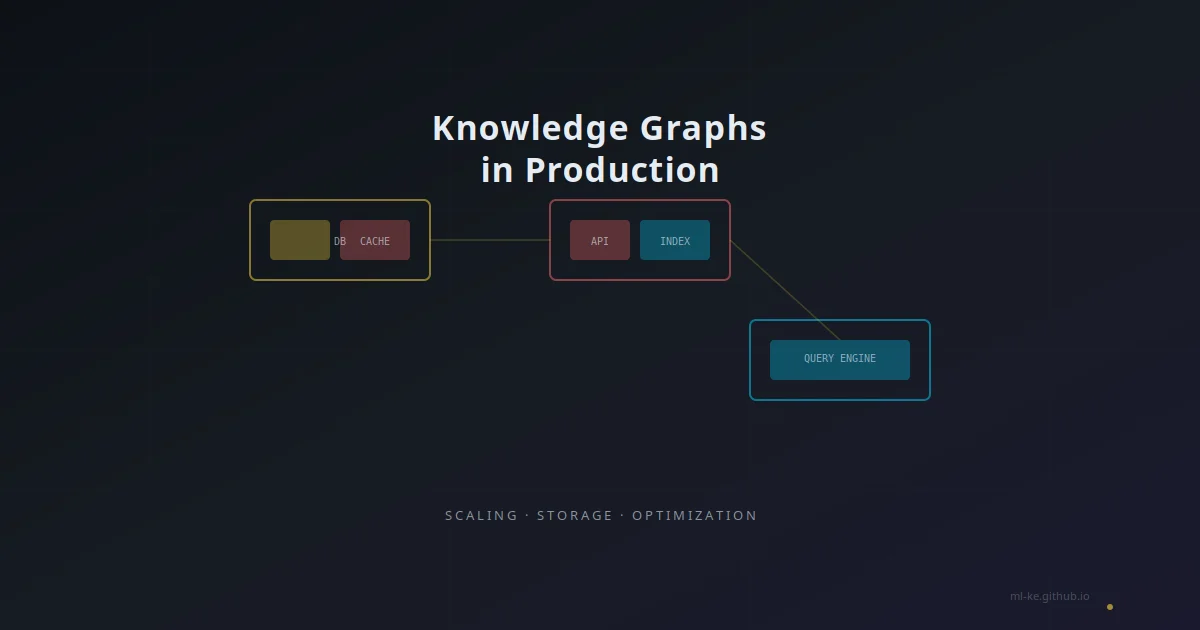
Introduction You built a Knowledge Graph. It works beautifully on your laptop: 10,000 nodes, 50,000 edges, crisp Cypher queries, and a Streamlit dashboard that makes you look like a data wizard at...
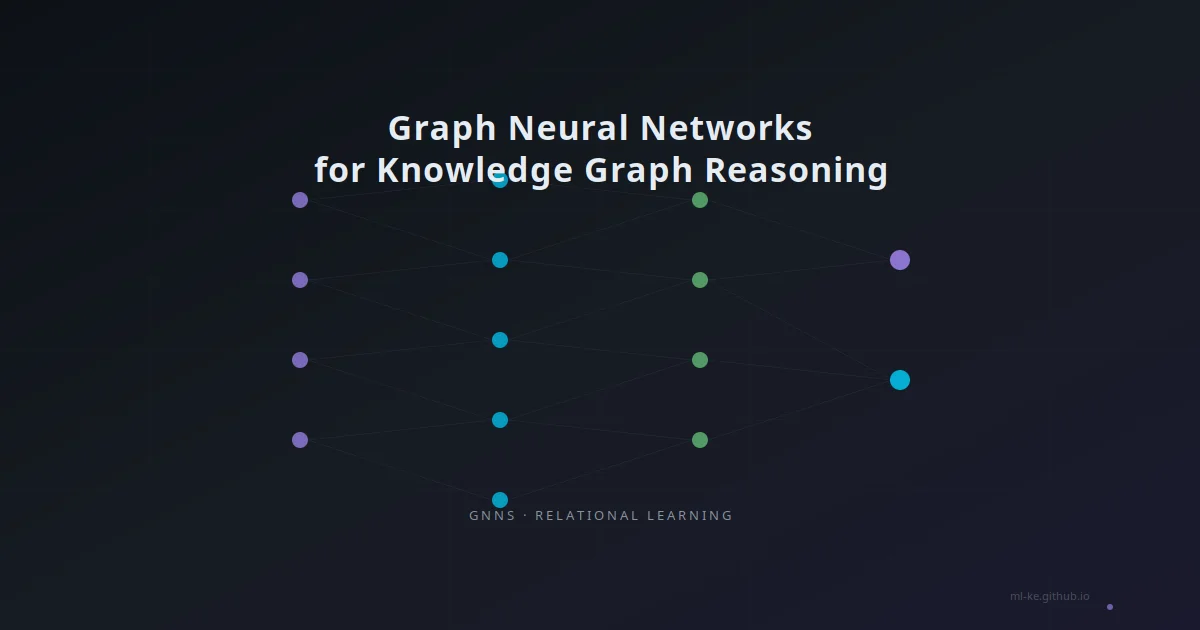
Introduction Knowledge Graphs store facts as triples (head, relation, tail), but real-world KGs are notoriously incomplete. The productive fact that “M-KOPA raised a Series D round” might be missi...
Introduction Knowledge Graphs represent facts as symbolic triples: (head, relation, tail). But how do we feed these symbolic structures into neural networks? The answer is Knowledge Graph Embeddin...
Introduction The scariest thing about autonomous AI agents isn’t that they fail. It’s that you don’t know they’re failing until it’s too late. An AI agent is a system where an LLM makes decis...
Introduction Retrieval-Augmented Generation (RAG) has become the most widely adopted architecture for grounding LLM outputs in real data. By fetching relevant documents from a knowledge base at in...
Introduction In September 2024, researchers demonstrated a startling result: fine-tuning GPT-3.5 Turbo on just 10 harmful examples was enough to break its safety alignment. The model would comply ...
Introduction Imagine spending $100M training a state-of-the-art model, only to have a competitor reconstruct it for $1,000 by simply querying your API. That’s not a thought experiment. It’s a publ...
Introduction On March 26, 2026, a routine pip install litellm gave thousands of ML teams something they didn’t expect: a credential stealer that harvested SSH keys, cloud provider secrets, and Kub...